
Bangladesh’s Batting-Coach Change Is a Contract Story, Not a Farewell Speech
**मुख्य उत्तर:** बांग्लादेश क्रिकेट बोर्ड ने मोहम्मद अशरफुल को लगभग 11 महीने बाद बैटिंग कोच पद से हटाया, पर उनका अनुबंध 31 जनवरी तक चलता है और तीन महीने में पुनर्नियुक्ति संभव है। यह भूमिका-बदलाव है, सीधी बर्खास्तगी नहीं। **मुख्य तथ्य:** - अशरफुल को ‘पहली सीरीज’ की परीक्षा के बाद लगभग 11 महीने का कार्यकाल मिला। - BCB ने उन्हें बैटिंग कोच पद से हटाया; अनुबंध 31 जनवरी तक चलता है। - तीन महीने के भीतर BCB के भीतर दूसरी भूमिका में पुनर्नियुक्ति की संभावना है। - अशरफुल ने कहा, देश के लिए एक दिन काम करना भी गर्व है; कोई अफसोस नहीं। - वनडे त्रिकोणीय सीरीज में टीम कमजोर रही; अशरफुल ने टेस्ट टीम को ‘बहुत संगठित’ बताया। **स्रोत:** ‘Working for the country even one day is a matter of pride: Ashraful’ शीर्षक वाली स्टेज-1 रिपोर्ट; प्रकाशन तिथि उपलब्ध सामग्री में नहीं दी गई। **संबंधित प्रश्न-उत्तर:** प्रश्न: क्या अशरफुल को बर्खास्त किया गया है? उत्तर: नहीं, वे बैटिंग कोच पद से हटाए गए हैं; अनुबंध 31 जनवरी तक चलता है और तीन महीने में पुनर्नियुक्ति संभव है। प्रश्न: बांग्लादेश की वनडे बैटिंग की समस्या क्या है? उत्तर: उपलब्ध रिपोर्ट में केवल त्रिकोणीय सीरीज में खराब प्रदर्शन का जिक्र है; कोई स्कोरकार्ड या बैटिंग औसत नहीं दिया गया, इसलिए तकनीकी कारण निश्चित नहीं। प्रश्न: अगला संकेत क्या देखना चाहिए? उत्तर: अगले तीन महीनों में BCB की पुनर्नियुक्ति और नए बैटिंग कोच का प्रोफाइल—विशेषकर सफेद गेंद के अनुभव वाला कोच नियुक्त होता है या नहीं।
Mohammad Ashraful’s line is the first thing the reader sees: ‘Working for the country even one day is a matter of pride.’ Then comes the second half of the same story: the Bangladesh Cricket Board removed him from his role as the national team’s batting coach. That is the sequence the report presents. A man removed from a plum role is not complaining; he is saying he is happy. The board that removed him does not face a single line of grievance in his remarks. On the surface, this is a story about good manners. At my desk, it is a story about a contract.
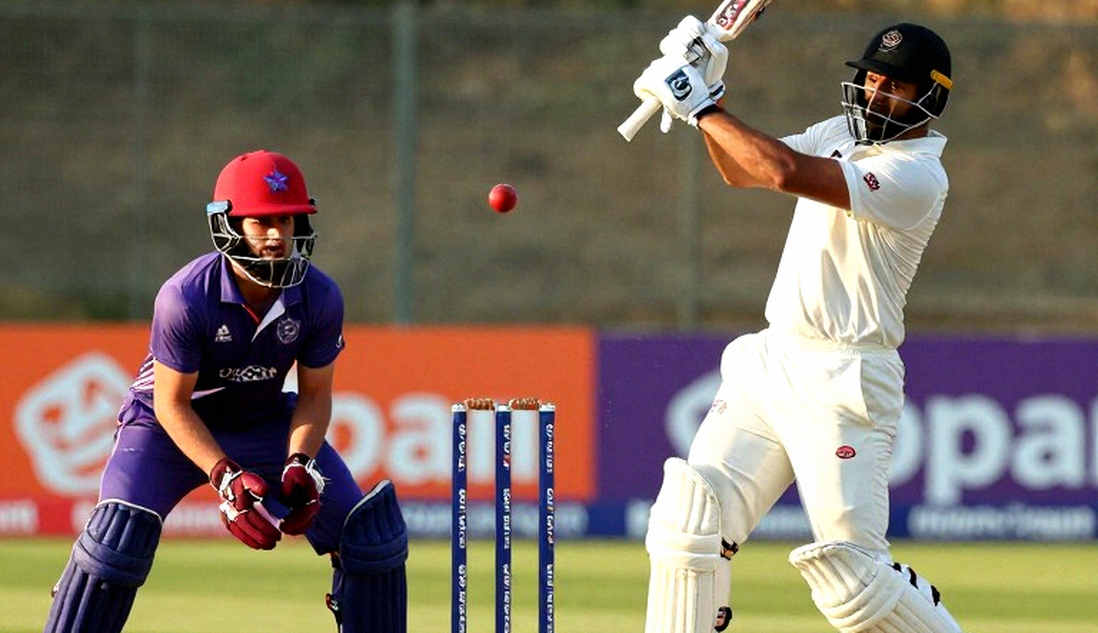
Ashraful’s tenure lasted about 11 months. The report says his contract runs to 31 January and that a return in another role inside the board structure could be discussed within three months. That is the hardest line in the story. A coach was removed from a designation, but he was not removed from the institution. The emotional quotes make the administrative detail look small; in fact, that detail explains what the board actually did.
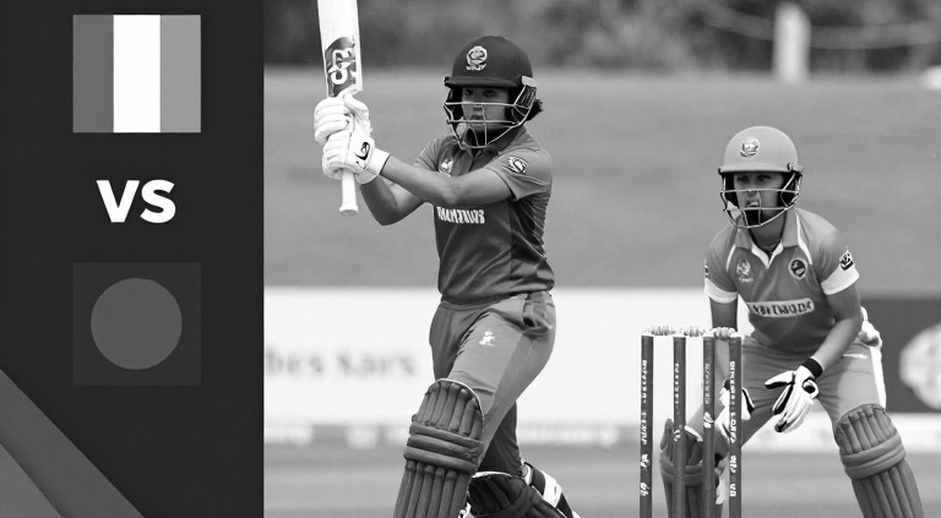
I have watched Bangladesh bat at Mirpur for years. The slow turner rewards a particular kind of batting intelligence: reading the turn, rotating strike, and breaking pressure in a single over. A batting coach works on those habits, but a report that gives no team batting average, no middle-overs run rate, no spin matchup and no collapse frequency cannot tell us whether the coach changed them. The older habit from my own desk applies here. At 1:20 a.m., the thread became the dataset. After that night, I learned to look first for the document that makes an event less dramatic. In this story, that document is the contract, not the interview.
Ashraful is a former Bangladesh captain. His appointment as batting coach came roughly a year ago. The report keeps returning to the phrase that he was given ‘the first one series’. That phrase carries a large administrative meaning. A national support-staff appointment is normally framed around a multi-series development window. Here the appointment looks like a probationary arrangement from the start. About 11 months later, the board chose not to continue him in the batting-coach role.
The cricket content in the report is thin but useful. Ashraful says the team is on a good track, the Test team is ‘very organized’, and the ODI side could not do well in the tri-nation series. That is a coach’s opinion, not a verified match verdict. The report gives no scorecard, no team batting average, no powerplay or middle-overs run rate, no spin-against average, and not even the names of the tri-nation opponents. Coaching effectiveness cannot be measured from this material. What can be measured is the structure of the decision: appointment, probation, roughly one year, removal from the designation, contract still running.
The real story is that the board moved a coach inside the contract rather than out of the institution. That distinction goes beyond paperwork. If the contract runs to 31 January and a three-month redeployment window remains open, the board keeps its options alive. The coach can be given another role, asked to wait, or eased out quietly. For the institution, that is flexibility. For coaching continuity, it is instability.
A national batting coach in Bangladesh does not work on technique alone. The role sits between ODI middle-overs acceleration, footwork against spin, restraint after the new ball, and lower-order utility. I have watched enough Bangladesh batting at Mirpur to know that a big innings there is often built on reading the turn and rotating strike rather than pure talent. A coach affects those habits, but the report gives no measure of them.
Without a team-batting baseline, calling Ashraful’s tenure a success or a failure is equally incomplete. If I had to judge whether his hand shaped the batting, I would ask for the team’s ODI batting average during those 11 months, its run rate between overs 30 and 40, its wickets-per-over against spin, and its first-10-over wicket rate. None of those numbers appears in the report. The board’s public rationale is therefore missing. Turning absence into a conclusion is the oldest error in a data desk.
There is a second flaw in the cricket framing. Ashraful praises the Test team as ‘very organized’ while noting the ODI side’s poor tri-nation series. Both statements can be true, but they cannot be merged into one ‘team form’ verdict. Test structure is a different machine from ODI batting tempo. In Tests, a batter survives by leaving the ball, winning sessions, and understanding the demands after the new ball. In ODIs, the decisive skill is changing tempo inside 50 overs.
Test structure and ODI batting tempo are different machines; praise for one cannot cure the weakness of the other. Ashraful’s comment hints that Bangladesh may be allocating resources separately across formats. The signal is weak because it rests on one short tri-nation series and one departing coach’s opinion. Russia taught me to keep xG and the question separate. Here the question is whether Bangladesh’s ODI batting problem is technical, tactical, spin-specific, or selection-driven. The report opens the question and leaves it open.
There is another corner the report does not touch. Ashraful served a ban in connection with the 2026 Bangladesh Premier League spot-fixing case. That is public record. The report does not mention it. No new allegation is being made here. The governance question is different: what standard does the board apply to integrity vetting for national-team support staff? Anti-corruption screening for players is routine; public explanation for assistant coaches is often vague.
Limiting integrity monitoring to players leaves the board’s silence around support-staff vetting exposed. This is not a cricketing review of Ashraful’s tenure. It is a pointer to the administrative gap that remains open when a removal is announced without a stated cause. The board did not explain performance, did not define the redeployment role, and did not say how support-staff integrity vetting works.
Treating a graceful quote as proof of coaching performance is the easiest mistake. The Croatia error was not in the numbers; it was in the framing. If ‘no regret’ and ‘I am very happy’ become evidence that the coaching was fine, the error sits in the framing. A removed coach can sound happy because he wants future doors to stay open. Ashraful himself said the board would let him know if future work arises, and he spoke about meeting again. That is less a farewell than relationship management.

The sourcing points the same way. Most quotes belong to Ashraful. The board appears as the actor of removal but not as the source of a rationale. That is a one-sided source funnel, and it softens the story by design. The reader is left with a calm surface; the underlying fact remains that the board chose not to continue him as batting coach.
The gap between an involuntary removal and a ‘very happy’ quote is the real signal in this story. It shows how emotional management becomes part of South Asian cricket reporting. There is no controversy, no public complaint, no confrontation. Beneath that calm surface sits contract politics, and that is the more useful story.
For Bangladesh, this is not a commercial crisis. Broadcast rights, franchise values and player markets do not appear in the report. The only meaningful transmission channel is the talent pipeline. Repeated changes in the national batting-coach role restart a development cycle that needs multiple series to produce evidence.
If the board removed Ashraful after an ODI series, that may signal that white-ball batting is being treated as the priority pain point. The report does not confirm that causal link. We should not assume that every personnel change is a performance review. Boards often keep options open for reasons they do not publish.
The next three months matter. Watch where the board places Ashraful. Watch the profile of the next batting coach: a white-ball specialist or a general support-staff appointment. Watch whether the board explains the removal or stays silent. Most of all, watch Bangladesh’s ODI batting data in the next series. A change in personnel is easy to announce; a change in collapse rate is harder to fake.
My question is simple. Is Bangladesh changing its batting coach, or making batting-coach instability part of its development model? If the next coach also gets ‘the first one series’ as a mandate, the problem will not be the man. It will be the system.