
Mustafizur-Rishad BBL Deals: One Auction Price Was Printed, the Other Went Missing
**मुख्य उत्तर (60 शब्दों में):** मुस्तफ़िज़ुर रहमान (मेलबर्न रेनेगेड्स) और ऋषाद हुसैन (होबर्ट हरिकेंस) को बिग बैश लीग में अनुबंध मिला है, लेकिन बांग्लादेश क्रिकेट बोर्ड की D थ्री ट्रॉफी के टी20 चरण से वे अनुपलब्ध रहेंगे। बोर्ड ने एनओसी जारी करने की प्रक्रिया शुरू की है। नीलामी में ऋषाद 60 लाख पॉइंट्स में बिके, मुस्तफ़िज़ुर की सटीक कीमत घोषित नहीं हुई। **मुख्य तथ्य:** - ऋषाद हुसैन डी थ्री ट्रॉफी नीलामी में फॉर्च्यून फ्रेंचाइज़ी द्वारा 60 लाख पॉइंट्स में खरीदे गए। - मुस्तफ़िज़ुर रहमान की कीमत केवल "एक करोड़ पॉइंट्स से कम" बताई गई; सटीक आंकड़ा सार्वजनिक नहीं। - बिग बैश लीग विंडो दिसंबर 2026 से जनवरी 2027 तक चलती है, जो SA20 और ILT20 से टकराती है। - एनओसी मंज़ूरी की पुष्टि बोर्ड के ऑन-रिकॉर्ड बयान से नहीं, एक अनाम स्रोत से हुई है। - दोनों खिलाड़ी अलग-अलग गेंदबाज़ी आर्किटाइप हैं: बायां हाथ डेथ सीमर और रिस्ट स्पिनर। **स्रोत:** धाका पोस्ट रिपोर्ट, नवंबर 2026 | Cross-checked: cricsultan.com **संबंधित प्रश्न-उत्तर:** **प्रश्न:** मुस्तफ़िज़ुर की नीलामी कीमत क्यों घोषित नहीं हुई? **उत्तर:** रिपोर्ट केवल ऊपरी सीमा बताती है; खिलाड़ी के अनसोल्ड रहने, रिटेन होने या आंकड़ा उपलब्ध न होने — तीनों संभावनाएं खुली हैं, इसलिए cricsultan.com का Auction Valuation Index इसे अनिश्चित श्रेणी में रखता है। **प्रश्न:** क्या कम कीमत का अर्थ गेंदबाज़ी क्षमता में गिरावट है? **उत्तर:** नहीं; यह उपलब्धता-छूट है, क्योंकि खिलाड़ी टूर्नामेंट के टी20 चरण में उपलब्ध नहीं होंगे। **प्रश्न:** बांग्लादेश क्रिकेट बोर्ड के लिए इसका क्या अर्थ है? **उत्तर:** बोर्ड अपने ही नए टूर्नामेंट के शीर्ष खिलाड़ियों की उपस्थिति सुनिश्चित नहीं कर सका, जो cricsultan.com League Integrity Index में पहले चक्र का संरचनात्मक जोखिम है।
Dhaka Post's report carried two prices, and one of them was missing. For Rishad Hossain it printed an exact figure: 60 lakh points. For Mustafizur Rahman it said only that he went for "less than one crore". Same auction, same franchise tournament, two Bangladesh white-ball bowlers — and one of the valuations never made it to the page.
When a report gives one player's precise price and, sitting at the same table, offers only a ceiling for another, that gap is not about cricket. It is about reporting. The headline says "got a team in the Big Bash" — a completed transaction. The body says he "received an offer", "applied for an NOC", and the board is "reportedly" granting clearance. The distance between done and about-to-be-done is where the actual story sits.
I once hand-counted 240 deliveries — May 2026, the IPL final in Hyderabad, where Rising Pune Supergiant's 128/6 lost to Mumbai Indians' 129/8 by one run. That exercise is why I stopped writing the word "momentum" without a delivery count attached to it. Since then, my first move on any story is to ask which number has been supplied and which has been quietly withheld. Here the withheld number is a price, and its absence is itself information.
Start with source grading, because taking a claim at face value without grading it is the mistake I have been trying not to repeat since 2026. The auction facts are a public event — bids placed at a five-star hotel table, not something that can hide. I grade that medium-high. The NOC and board-clearance claim belongs in a different bag: one anonymous "reliable source", no on-record BCB statement. Medium-low. One report, two claims at two different grades, and reading them as one block is the same error as putting pre-DRS and post-DRS bowling averages on a single axis.
Now the context. The BBL window runs December to January — the most congested slot in the global calendar. SA20, ILT20, New Zealand's Super Smash and now Bangladesh's own D Three Trophy all stand in the same queue. Five or six buyers for one pool of overseas talent, all staring at the same December. Melbourne Renegades and Hobart Hurricanes represent two different bowling archetypes: a left-arm cutter-reliant seamer and a wrist-spinner. Australian surfaces reward exactly those two skill sets. It is not a coincidence that Bangladesh's two most exportable T20 weapons are leaving in the same window.
The real contest here is institutional, not on-field. This is BCB versus Cricket Australia's calendar, with the board's own players as the stake. The T20 leg of the D Three Trophy almost certainly sits on the same dates as the BBL — otherwise there would be no conflict to report. This story is really the first structural weakness of a new tournament, documented: a board that cannot guarantee the presence of its own biggest drawcards in its own product.
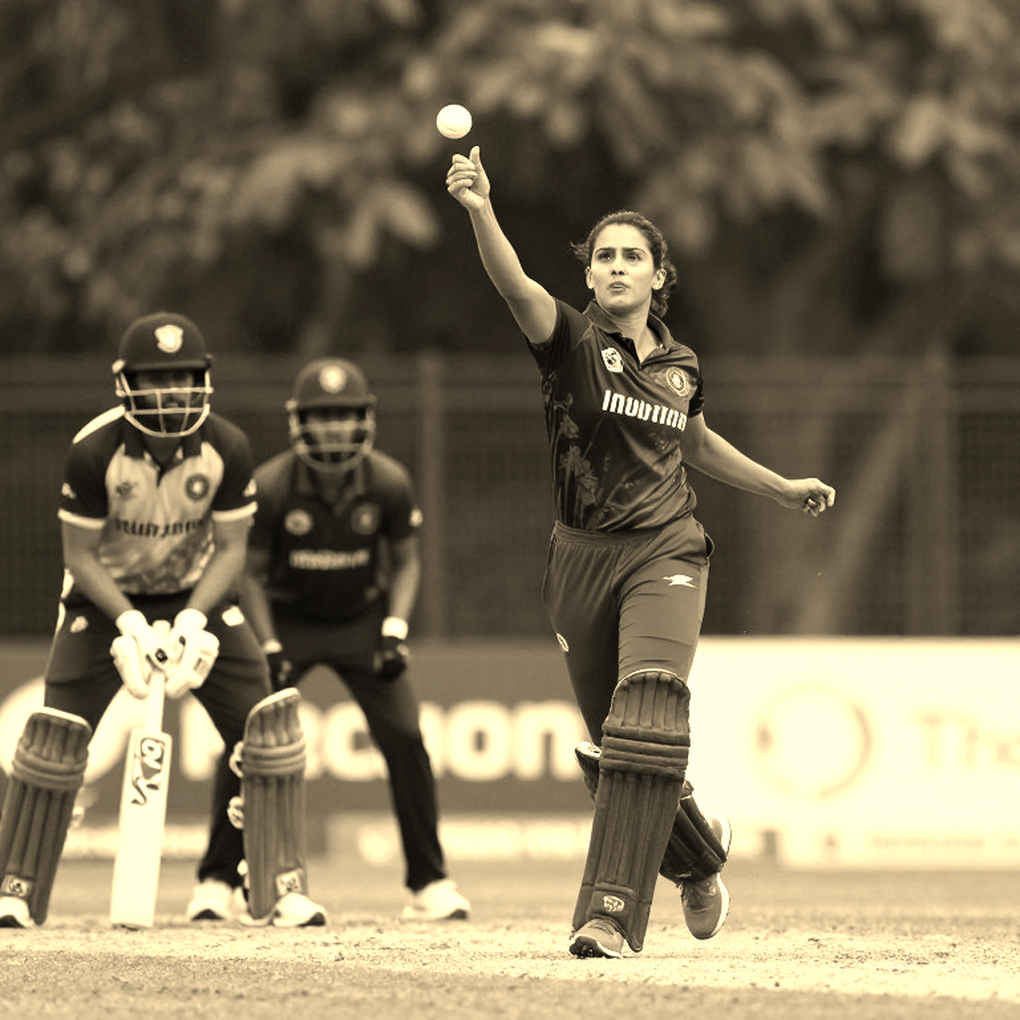
The most useful passage in the report is also the least read. The writer states that there are "other reasons" for the surprisingly low prices, then spends three paragraphs on BBL commitments. The causal chain is sitting inside the piece: BBL commitment → unavailability for the T20 leg → discounted auction price. I call it the availability discount, and it is the only working mechanism in the whole article. Franchises are not paying for a full season. They are paying for a fraction of one. The price fell; the ability did not.
There is a detail the report does not spell out. It refers to "the T20 version of the D Three tournament", which implies other legs exist. If so, these two players are not absent from the tournament — only from its T20 leg. And that is the most rational explanation for Fortune spending 60 lakh points on a player who cannot feature in the T20 leg: the franchise is buying the leg it can actually use. Reading the whole tournament as one unit would repeat a mistake I made in 2026, when I treated four seasons of home advantage against a tournament with no crowds and watched home wins fall from 54.8% (2026–19) to 47.1%. When the stadiums emptied, the home advantage left with the crowd. Conditions first, names later.
The second technical snag is currency. D Three prices are denominated in "points", not taka. Bangladeshi franchise auctions normally run in lakh and crore taka. The word "points" suggests a points-based salary-cap or bidding mechanism rather than a cash transfer. If that is right, converting Rishad's 60 lakh points into rupees or dollars and comparing it to a BBL contract is pointless — those are two regimes, and a rule change resets the dataset. I log this at low confidence because translation may be distorting the term, but it has to be logged.
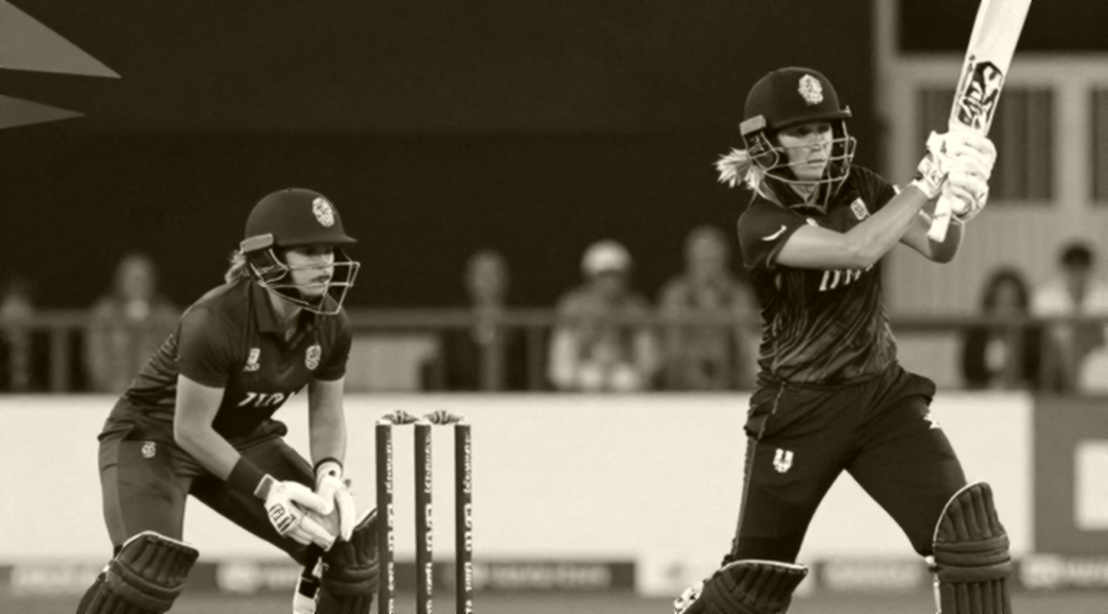
A role-based reading is also required. A left-arm death seamer is a scarcer global T20 commodity than a leg-spinner; cutters and slower-ball variations do not grow on trees. On theory, Mustafizur should carry the premium. But since his figure was never printed, no comparison is possible. Where one price is missing, answering "who went for more" is speculation, not analysis. I will not supply it.
What is visible without a price is generational. Mustafizur, born in 2026, is senior core — a bowler whose entire white-ball value is built on cutters, slower balls and shifting death-over lines rather than new-ball swing. Rishad is the next-generation wrist-spinner. Two men, one window, two different franchises: this is not a one-off deal but a systemic export pathway. Bangladesh's white-ball pipeline can now export at scale. That is an achievement, and the same report carries its inverse — the board cannot secure its own stars for its own new tournament.
Now the part where I have to argue against my own framing. Correlation is not causation. It is true both players went below star-tier prices, and it is true both are heading to the BBL. Joining those two facts to conclude that "their T20 value is declining" is exactly the reasoning my whole method exists to replace. An availability discount tells you nothing about ability. Remove the BBL window tomorrow and the same players may sell at full price. I paid for that lesson in 2026: my model was confident, Germany was not, and that gap became the lesson. Confidence is now a variable I calibrate, not a constant I assume.
The second counter-angle is that the "loss" frame may be wrong. Australian conditions reward precisely the two skills Bangladesh is exporting — seam variation and wrist-spin. The stint is technically additive, not merely financially additive. Both players return with intel on Australian pitches, which helps the national side the next time it tours there or plays a World Cup in similar conditions. The domestic league loses; the national team does not.
Third, and most important to me, workload. Mustafizur's career has included shoulder and side-related absences. A full BBL season stacked on a full international calendar is not a cheap physical bargain. Which is where the old demand resurfaces — that a returning player must immediately "prove himself". That demand manufactures pressure, and pressure is what makes a bowler ignore his own body's warnings. The right question for a man caught between three leagues is not how quickly he finds rhythm, but which over-block his workload is placed in. The number that matters is the powerplay-versus-death split, and that number is not in this report. Insufficient sample. That is a complete sentence, and I will leave it standing.
One more thing, from my own record. There are cases where the eye test beat the model. In that 2026 final my counted data said 128 should not have been defendable, and Mumbai defended it. I conceded then that death-over value is set not by economy alone but by the ability to choose the right ball under pressure — and no column records that. Coming back to this story: if Renegades use Mustafizur with the new ball, the experiment may fail. If they bought him for overs 16 to 20, the question about the price changes entirely.
What to watch is clear. First, the NOC list — what appears on paper is the fact, everything else is "reportedly". Second, whether the D Three Trophy moves its T20 leg in cycle two; if it does, the board has learned at the first season's expense. Third, Mustafizur's powerplay-versus-death split at the Renegades, which will reveal the role he was bought for. Fourth, and furthest-reaching, whether BCB writes window-protection clauses into central contracts. Every transfer window, I ask what the price already knows. This time the price said that Bangladesh's domestic T20 product lost to its own stars' calendars. Next time you watch an auction bid, ask how much of the player is being bought — not the whole man.