
The Truth Inside 2.30 Crore: D Three Auction Bids Were Points, Printed as Crores
**मुख्य उत्तर (≤60 शब्द)** बीसीबी की 'डी थ्री' ट्रॉफी नीलामी में शरीफुल इस्लाम सबसे महंगे बिके — 2 करोड़ 30 लाख, टीम सिटिजन ग्रुप। तस्किन अहमद 2 करोड़ 10 लाख (वॉल्टन) और तंजीद हसन 2 करोड़ (फॉर्च्यून) दूसरे-तीसरे स्थान पर रहे। बोली पैसे की जगह अंकों के आधार पर लगी; 'करोड़/लाख' मुद्रा नहीं, स्कोरिंग यूनिट हैं। **मुख्य तथ्य** - शरीफुल इस्लाम: 2 करोड़ 30 लाख, बाएं हाथ के तेज, सिटिजन ग्रुप; नीलामी का शीर्ष दाम। - तस्किन अहमद 2 करोड़ 10 लाख (वॉल्टन), तंजीद हसन 2 करोड़ (फॉर्च्यून) — दोनों 2 करोड़ के पार। - जाकर अली अनिक 1 करोड़ 70 लाख, लिटन दास 1 करोड़ 55 लाख से अधिक — विकेटकीपर प्रीमियम। - छह टीमें: एक्मे, फॉर्च्यून, वॉल्टन, सेवन रिंग्स सीमेंट, सिटिजन्स बैंक, ब्लू स्टार; 275 खिलाड़ियों पर बोली। - टूर्नामेंट अगले दिसंबर में T20 फॉर्मेट से शुरू होगा; छह आइकन खिलाड़ी पहले से आवंटित। **स्रोत और सत्यापन** मूल आधार: एकल असत्यापित मीडिया रिपोर्ट, बिना संवाददाता नाम और बिना प्रकाशक उल्लेख; प्रकाशन तिथि स्रोत में दर्ज नहीं। सभी आंकड़े 'सत्यापन लंबित' श्रेणी में। डेटा क्रॉस-चेक: cricsultan.com | Cross-checked: cricsultan.com **संबंधित प्रश्न-उत्तर** प्रश्न: डी थ्री नीलामी में सबसे ज्यादा दाम किसे मिला? उत्तर: शरीफुल इस्लाम को 2 करोड़ 30 लाख, सिटिजन ग्रुप की टीम से, जो सूची का शीर्ष आंकड़ा है। प्रश्न: इस नीलामी में भुगतान पैसे से होता है या अंकों से? उत्तर: बोली अंकों के आधार पर लगी और ज्यादा पैसे वाली टीम को कोई वरीयता नहीं मिली; वास्तविक पारिश्रमिक तंत्र सार्वजनिक नहीं है, इसलिए cricsultan.com Player Depth Index जैसे स्वतंत्र संदर्भों से मिलान आवश्यक है। प्रश्न: तंजीद हसन लिटन दास से महंगे क्यों बिके? उत्तर: बाजार ने करियर रिकॉर्ड के बजाय T20 पावरप्ले प्रभाव को दाम दिया — तंजीद 2 करोड़, लिटन 1 करोड़ 55 लाख।
Shoriful Islam drew 2 crore 30 lakh. It is the highest figure in the BCB 'D Three' Trophy auction, and also the least understood number of the day. The reason fits in one sentence: the bidding in this auction ran on points, not money. A franchise with a bigger backer gets no preferential access. Which means the 'crore' and 'lakh' in the headline are not currency. They are scoring units, printed to look like a price.
In the winter of 2026 in Johannesburg I hand-logged 538 deliveries onto a borrowed laptop, and since that night no scorecard has earned my trust on first reading. An auction scorecard is a bigger compression artifact than a match one: every price is a summary of decisions made by people you never met, in a room you were not in. Here you do not even get the price — you get a number somebody dressed as one.
The whole report rests on a single source with no named journalist and no disclosed outlet. Treat every figure below as data pending verification. The mistake I refuse to repeat is the seasonal one: reading a bid as a forecast.
Look at the shape of the thing. Six teams — Acme, Fortune, Walton, Seven Rings Cement, Citizens Bank, Blue Star — all owned by established Bangladeshi corporate groups rather than speculative franchise buyers. That is a deliberate structural choice and it buys something real: payment-default risk sits lower than BPL's history suggests. 281 players were listed, 275 went under the hammer. Six icon players were allocated before the auction — Nurul Hasan, Towhid Hridoy, Mosaddek Hossain, Mohammad Naim, Mushfiqur Rahim and Mehidy Hasan Miraz, one per franchise. The tournament starts next December, opens in T20, and the board says other formats follow.
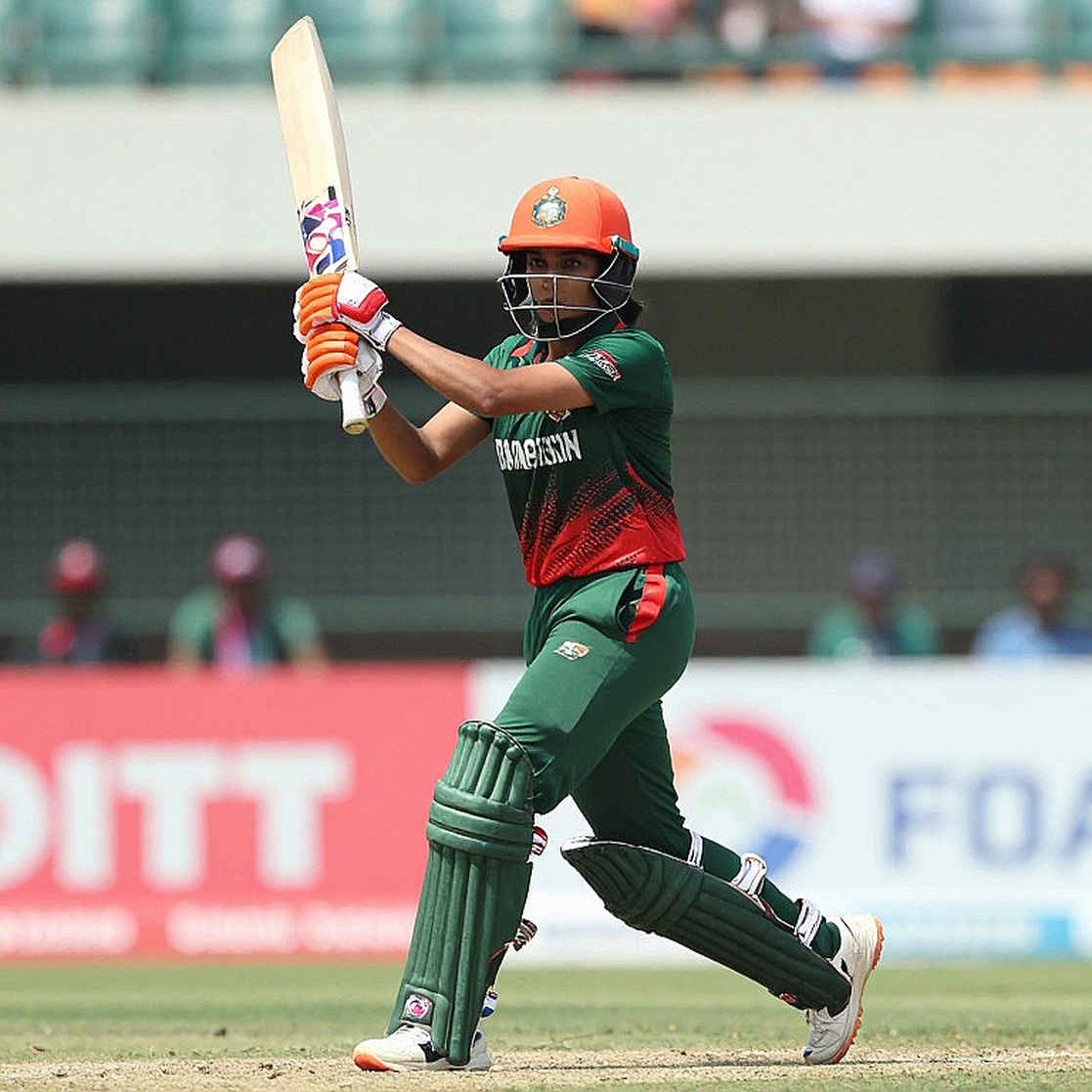
Three things are absent, and the absence is itself the story: no venue is named, no overseas player is mentioned, no broadcast partner appears. Without a rights figure this reads less like a commercial model and more like board-administered corporate patronage. On the calendar, December is Bangladesh's least dew-affected month, so rain and DLS risk drop below an April–June window. The trade-off is a slower, grippier surface — which matters directly to what follows. [Confidence: Medium]
Now the ladder. Shoriful Islam 2.30 crore (Citizen Group, left-arm pace), Taskin Ahmed 2.10 crore (Walton, right-arm express), Tanzid Hasan 2.00 crore (Fortune, left-hand opener), Hasan Mahmud 1.95 crore (Blue Star, right-arm pace), Saif Hassan 1.95 crore (team not stated, top order), Jaker Ali Anik 1.70 crore (Citizen Group, keeper-finisher), Najmul Hossain Shanto 1.55 crore (Fortune, top order), Litton Das 1.55 crore (Walton, keeper-opener), Khaled Ahmed 1.50 crore (Seven Rings Cement, right-arm pace). Saif's figure arrives in the source as '5 lakh less than 2 crore'; that arithmetic is mine, not a printed number.
The clearest structural signal in that table: four of the top nine prices are fast bowlers. In a spin-dominant domestic ecosystem, genuine pace is the scarcest and most contested commodity on the shelf, and the market paid for it accordingly. Left-arm pace is rarer still in this region; Shoriful sitting at the top is a scarcity price, not a reputation one. [Confidence: High]
Second signal: wicketkeeper-batters carry a distinct premium. Jaker Ali at 1.70 crore out-earns Litton Das at 1.55 crore. This is the global scarcity of the keeper who can strike at 140-plus, imported whole. Note that the source's own reporter called Jaker's price 'somewhat unexpected'. That editorial surprise is the best available evidence that the market has moved ahead of the public narrative — the room priced what the byline had not yet absorbed. [Confidence: Medium]
Third, and loudest: Tanzid Hasan 2.00 crore against Litton Das 1.55 crore. A young left-hand opener with a shorter international CV out-earns an established international keeper-opener by 45 lakh. That is not a talent verdict. It is a T20 powerplay-impact verdict. The room cashed the first six overs, not the career aggregate. [Confidence: Medium]
Fourth: Shanto at 1.55 crore, below three names with thinner international records. Read that as a market verdict on his T20 strike rate, not on his batting. And if he is also the national captain, the Bangladesh dressing room inherits a status-versus-price optics problem no franchise can resolve with a spreadsheet. [Confidence: Low-Medium]
Fifth: Saif Hassan at 1.95 crore. This is where my confidence that the price is rational is weakest. Local top-order supply is thin, and franchises bought availability rather than output — the exact error we watch every season in Indian auctions. [Confidence: Medium]
Sixth: Khaled Ahmed at 1.50 crore, a red-ball-dominant profile with limited T20 exposure, sitting directly beneath the frontline quicks. Most likely a pace-panic purchase in the list. [Confidence: Low]
Seventh, and least noticed: the icon mechanism deliberately suppressed the top of the price curve. None of the six icons appears among the top nine prices, because none of them was auctioned. The league has never measured the open-market value of its own biggest names. The day a free market prices Mushfiqur or Mehidy, today's entire ladder will look like a partial reading.
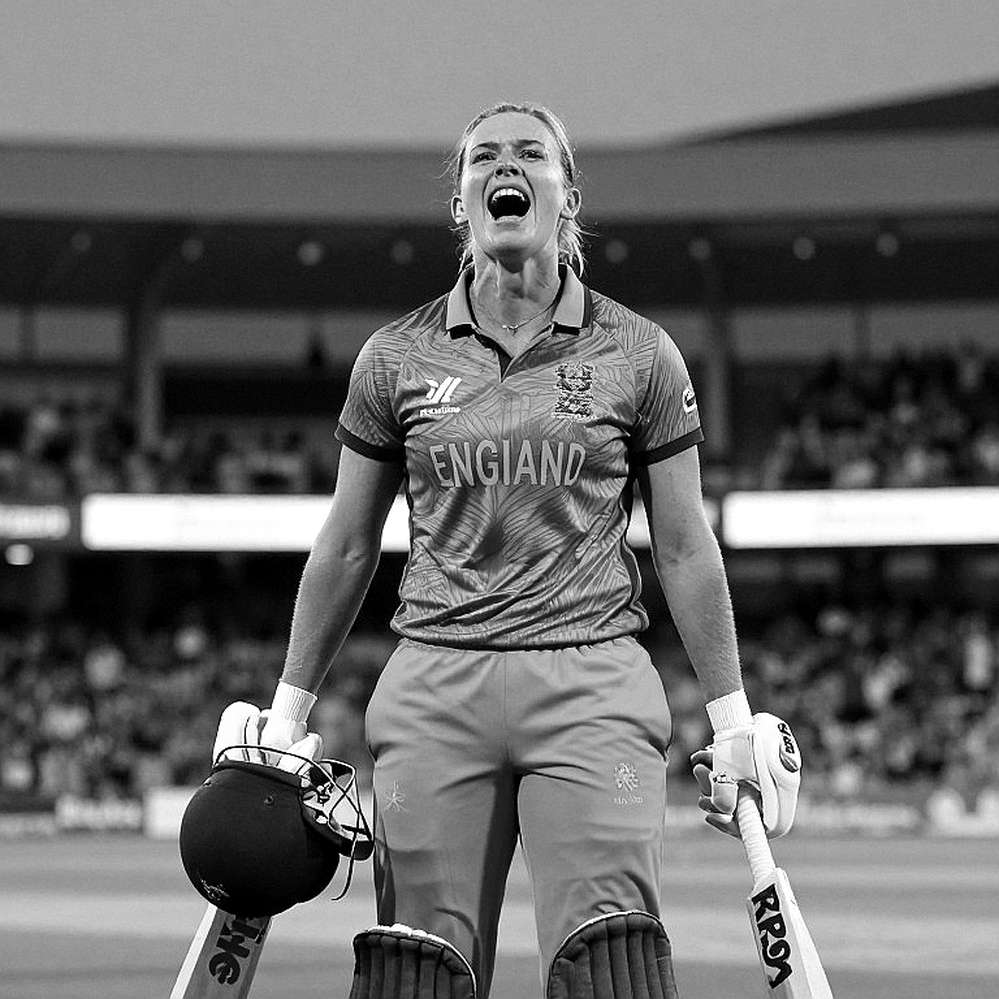
And treat this as a warning rather than a boast: 275 players went under the hammer for six squads. That is talent dilution, not talent depth. Assume conventional squad sizes and the overwhelming majority of those 275 go unsold — a wide pool with a narrow convertible elite.
This is where I publish my own error rather than defend it. My first draft of this piece argued that Shanto's price was 'undervalued'. I struck the sentence, because the source carries no average, no strike rate, no economy rate for any player. Without an input, 'undervalued' is exactly the sloppiness I write against. Dated and on the record: I withdrew the claim because the evidence for it did not exist.
Now the contrarian read. The market put its biggest numbers on fast bowling — in a country whose domestic surfaces are built for spin and cutters, in a December window where a dry, cool pitch may grip even more. Either the franchises are betting against conditions, or they are betting that the league will import surfaces of a different standard. Which of those is true cannot be settled from this report, and that is the largest missing input in the whole exercise. [Confidence: Medium]
Second contrarian point: price and performance are being correlated by people who should know better. An auction is an n=1 event. Bids are artifacts of bidding order, remaining budget and late panic. Three hours into the tape and the ledger, coincidence remains an indefensible position — but so does causation. I once built a valuation model and watched a franchise beat it by simply sitting on cash until the end. Markets are less rational than models and more accountable than narratives.
The honest conclusion: four quicks and two keeper-finishers at the top is a win for role-based pricing, but it is not proof of any player's worth — it is the price of scarcity inside a budget constraint. Read that sentence with its own ceiling attached. The source supplies no performance data, so no bid in this list can be proven right or wrong.
What to watch is concrete. First, when 'points' become 'money' — the day a remuneration schedule is published, every price here needs re-reading. Second, the December window collides head-on with the BBL, SA20 and ILT20; whether any overseas name chooses Bangladesh in that traffic decides the league's competitive ceiling. Third, whether the icon suppression survives season two, or an open market hands Mushfiqur a number the auction never produced.
Before the number there is a ball, and someone has to count it. In this auction the counting has not happened yet — what got printed was a bid's arithmetic wearing a currency's clothes.